
By late spring on the Gulf Coast, you can feel it: the upstairs runs warmer, the AC runs longer, and the attic turns into a sauna. That’s usually when attic ventilation Florida homeowners ignore all winter starts showing up as higher bills, musty smells, and surprise leaks.
The quick answer: your home stays cooler when roof ventilation in a hot climate and insulation work as one system, not two separate “projects.”
Leggett Roofing is a local North Port roofing company, and we see the same attic problems across Sarasota, Port Charlotte, Venice, and Tampa every year.
Key Takeaways
- Heat control: Good roof ventilation in a hot climate helps dump trapped attic heat so your AC doesn’t fight a losing battle.
- Moisture control: The right Florida attic insulation roof setup can cut condensation that leads to mold and wood rot.
- Clear next steps: You’ll know what to check, what to avoid, and when a pro inspection is the safest move.
If you want a second set of eyes, visit the Leggett Roofing homepage and schedule your free inspection.
What Attic Ventilation Florida Homeowners Need to Know Before Summer Hits
“Attic ventilation” is simply controlled airflow through your attic. You bring cooler air in (intake) and let hot, humid air out (exhaust). In Florida, that airflow matters because heat builds fast, and humidity doesn’t take days off.
Here’s why it turns into a real problem. When the attic stays hot, that heat radiates down into your living space. Your AC runs longer, your ducts work harder, and the upstairs often never feels quite right. When the attic stays damp, moisture can condense on wood, nails, and insulation. That’s how you end up with musty smells, stained ceilings, and insulation that stops doing its job.
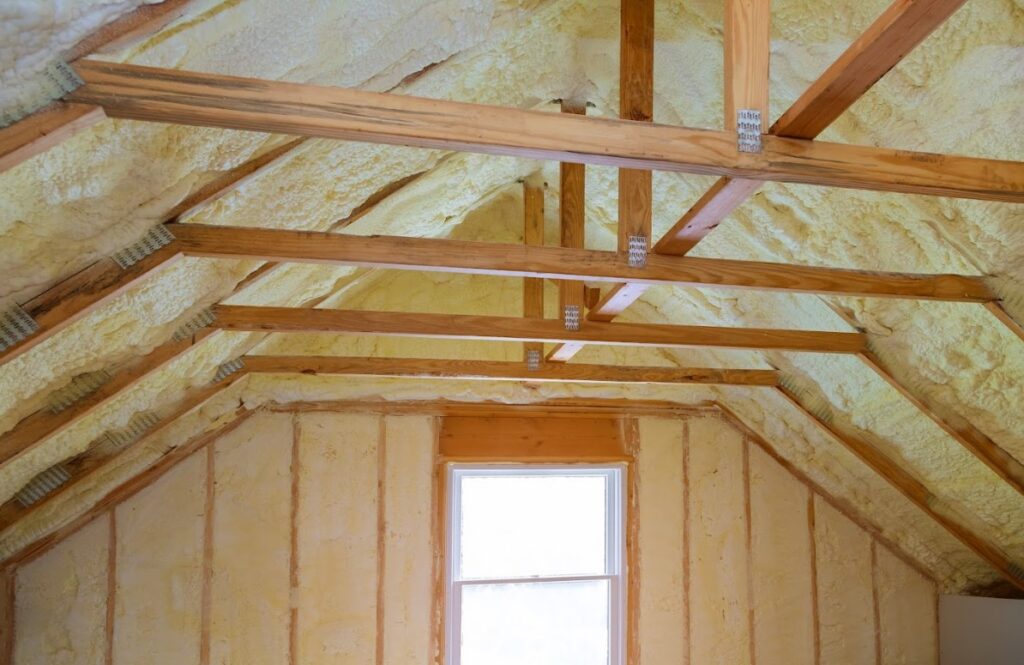
A lot of homeowners also miss the “system” part. Florida attic insulation roof performance depends on ventilation, air sealing, and correct installation. Too little insulation can let heat pour in. Too much insulation in the wrong place can block intake vents and trap moisture.
Florida code also matters. Roof and attic work often has requirements around ventilation and fastening methods, especially in storm-prone areas. If your attic setup is outdated or patched together over time, it can fail when heat, rain, and wind show up together.
The Part Most People Miss When It Comes to Attic Ventilation
Hot Attics Don’t Just Raise Bills; They Shorten Roof Life
In a roof ventilation in a hot climate, trapped attic heat can bake the underside of the roof deck and stress roofing materials. Over time, that can mean faster aging, brittle shingles, and higher leak risk around flashing and penetrations.
Balanced Airflow Beats “More Vents” Every Time
More vents don’t automatically mean better performance. A balanced system means intake and exhaust are working together. If exhaust is strong but intake is weak, the attic can pull air from the wrong places, including conditioned air from your home.
Insulation That Gets Wet Stops Insulating Well
Moisture is the quiet problem. When insulation is damp, it loses effectiveness and can contribute to mold growth. That’s why Florida attic insulation roof planning should always include moisture control and ventilation, not just “add more R-value.”
“Powered Fans” Can Help, But They’re Not A Free Pass
Attic fans can be useful in certain layouts, but they have to be sized and installed correctly. In some homes, they can also pull conditioned air out of the house if air sealing is poor, meaning you pay to cool the attic.
These details matter because Florida heat and humidity don’t forgive guesswork. The goal is a clean, code-aware system that keeps your attic cooler, drier, and less likely to cause roof problems.
Important Factors to Consider Before You Change Attic Ventilation in Florida
Before you buy anything or climb a ladder, a few homeowner-level decisions will keep you from wasting money.
- Your comfort goal: Is the upstairs hot, the AC running nonstop, or both? That points to whether roof ventilation in a hot climate is the main issue or if insulation and air leaks are the bigger culprit.
- Moisture warning signs: Do you smell mustiness, see rusted nails, or notice damp insulation? If yes, treat this as a moisture problem first, not just a heat problem.
- Existing vent layout: Do you have soffit vents, ridge vents, gable vents, or a mix? Some mixes fight each other, and some get blocked by insulation.
- Insulation type and condition: Old, compressed, or wet insulation is common. A smarter Florida attic insulation roof upgrade often starts with fixing air leaks and removing damaged insulation.
- Safety and access: Florida attics get dangerously hot. If you’re stepping over ceiling joists or dealing with low clearance, it’s easy to fall through drywall.
- Code and permits: Certain ventilation changes and roof work can require permits and code compliance. A licensed roofer keeps you out of trouble later.
If any of that feels uncertain, that’s normal. A roof inspection with clear documentation (including drone inspections when needed) can help you make a clean plan without guessing.
A Florida Homeowner’s Plan for Ventilation and Insulation That Works
Below is a practical way to think about the system without getting lost in technical jargon.
Step 1: Start With Symptoms, Not Products
If your upstairs is hot, your bills are climbing, or you see ceiling stains, don’t assume the fix is “more vents.” Those are signs your attic system isn’t controlling heat or moisture.
Step 2: Confirm Intake And Exhaust Are Actually Open
A lot of “bad attic ventilation Florida” is really blocked soffits, clogged vents, or insulation stuffed into the wrong spots. Air can’t move if the pathway is blocked.
Step 3: Fix Air Leaks Before You “Add More Insulation”
Air sealing matters in Florida. Leaky attic hatches, recessed lights, and top-plate gaps can let conditioned air escape and humid attic air move where it shouldn’t.
Step 4: Upgrade Insulation With Florida Heat And Humidity In Mind
The right Florida attic insulation roof setup depends on your home, but the goal is consistent coverage and dry performance. Wet or uneven insulation won’t deliver real comfort.
Step 5: Choose Roof Ventilation That Matches Your Roof Design
A ridge-and-soffit approach often performs well when installed correctly, but every roof is different. Hip roofs, complex rooflines, and older homes can need different strategies.
Step 6: Use A Pro For Anything Risky Or Code-Related
- Safety: Working in a Florida attic and on a roof is not a “quick weekend job.”
- Warranty protection: Improper changes can create future leak paths.
- Accuracy: A pro inspection catches the hidden issues before they turn expensive.

“Cooler, Drier, Safer” Is the Goal in Florida
Here’s the straight answer: attic ventilation Florida homes need is the kind that moves heat out, lets moisture escape, and supports insulation, without pulling cooled air out of your living space.
Use this checklist before summer:
- Intake vents: Confirm soffits are open and not blocked by insulation
- Exhaust vents: Make sure ridge/gable vents are clear and not damaged
- Insulation: Look for thin spots, compression, or damp material
- Moisture signs: Check for musty odor, rusted nails, or staining on wood
- Duct issues: Watch for sweating ducts or loose connections
- Leak clues: Stains near vents, chimneys, or flashing lines
You can make a confident call from here. If you want roof-and-attic guidance that matches Florida code and climate, Leggett Roofing can walk you through it and keep the process simple.
Attic Ventilation Florida FAQs
What is attic ventilation Florida homeowners should have for summer?
Attic ventilation for Florida homeowners in summer should provide balanced airflow with clear intake and exhaust so heat and humidity don’t get trapped. If airflow is blocked or unbalanced, the attic stays hotter, and moisture problems get worse.
Why does roof ventilation in a hot climate lower AC use?
Roof ventilation in a hot climate lowers AC use by reducing attic heat that radiates down into your living space. When the attic temp drops, your ductwork and ceiling stay cooler, so the AC cycles less.
How do I know if Florida attic insulation roof problems are causing humidity issues?
Florida attic insulation roof problems often show up as damp insulation, musty smells, rusted nails, or staining on attic wood. If insulation is wet or uneven, it can’t control heat well and can contribute to mold conditions.
Can I just add more insulation instead of improving attic ventilation?
Attic ventilation still matters even if you add insulation. More insulation won’t fix trapped moisture or blocked soffits, and it can make things worse if it seals in humidity.
Do roof leaks relate to Attic ventilation issues in Florida?
Attic ventilation issues in Florida can contribute to leaks by trapping moisture and stressing roof materials over time. But active leaks usually come from flashing, underlayment, or storm damage and should be inspected quickly.
Keep Your Attic Cooler Before Florida Summer Peaks
If you’re tired of the upstairs running hot, the AC running nonstop, or that musty attic smell, it’s time to treat the attic like part of the roofing system, not an afterthought. Good roof ventilation in a hot climate, plus the right insulation, can reduce heat, control moisture, and help your roof last longer.
If you want attic ventilation Florida solutions that fit your home, schedule your free inspection today.