Living near the coast in Sarasota comes with a lot of benefits, but your roof takes on extra stress because of it. Between salt in the air, constant humidity, and regular storms, roofing systems along the Gulf Coast tend to wear down faster than most homeowners expect.
We see this often with Sarasota coastal roofing projects. A roof may look fine from the ground, but when we inspect it, early signs of salt air damage and moisture exposure are already starting to show. That’s why coastal roof maintenance for Florida homes is something you want to stay ahead of, not react to later.
Here’s what we’ll walk through:
- How coastal conditions in Sarasota affect your roof over time
- What salt air actually does to roofing materials
- The warning signs most homeowners miss
- How to maintain your roof near the coast
- When small issues turn into larger problems
If you haven’t had your roof looked at recently, it’s a good time to schedule your free inspection. We’ll show you exactly what’s going on so you can make the right call.
Why Coastal Roof Damage Happens Faster Than You Think
One thing we explain to homeowners all the time is that coastal roof damage doesn’t usually happen overnight. It builds slowly.
Salt air damage to your roof starts with fine particles settling on the surface day after day. Over time, that salt begins to break down materials, especially metal components like flashing and fasteners. Add in Florida’s humidity, and those materials stay damp longer than they should.
Because Sarasota’s coastal climate is consistent year-round, your roof never really gets a break from these conditions. That steady exposure is what turns small issues into larger ones.
By the time something is visible from the ground, it has often been developing for a while.
If you want to stay ahead of that, schedule your free inspection and we’ll take a closer look.
Why Coastal Roofing Conditions Matter in Sarasota
Once you understand how damage starts, it becomes easier to see why Sarasota coastal roofing requires a different approach than inland areas.
Along the Gulf Coast, your roof is dealing with multiple stress factors at the same time. Salt speeds up corrosion, humidity slows drying, and storms bring wind-driven rain that can reach areas water normally wouldn’t.
On top of that, coastal homes face higher wind pressures during storms. Hurricane seasons, especially events like Hurricane Ian, show how important it is for roofing systems to be built for Florida code and properly secured.
That combination is what makes coastal roof maintenance in Florida so important. It’s not just about keeping your roof clean. It’s about making sure the system can handle long-term exposure to these conditions.
If you’re not sure your roof is keeping up, we can walk it with you and show you exactly what we’re seeing.
What to Know Before Addressing Coastal Roof Issues
Before deciding on roof repairs or replacement, it’s important to understand how coastal conditions are affecting your roof right now.
Some problems are easy to spot, like staining or buildup from salt air. Others develop underneath the surface, especially when moisture sits longer than it should.
Costs can vary depending on how early you catch the issue. Minor repairs often fall between $800 and $2,500, while larger problems become more expensive the longer they’re left alone.
Any major work also needs to meet Florida building code, especially in coastal areas where wind resistance matters.
At Leggett Roofing, we use drone and video inspections so you can see exactly what we see. That way, you’re not guessing about what needs to be done.
How Sarasota’s Coastal Climate Impacts Your Roof Over Time
Now that you know what to look for, it helps to understand how these conditions affect your roof on a daily basis.
Salt Air and Corrosion
Salt settles on your roof and slowly breaks down materials. Over time, this leads to corrosion, especially on metal parts like flashing and fasteners.
Constant Moisture Exposure
Humidity and frequent rain keep your roof from drying out fully. That extra moisture speeds up wear across the system.
Wind-Driven Rain
Storms along the coast push water into seams and vulnerable areas, which can lead to hidden issues.
Heat and UV Exposure
Florida sun causes materials to expand and contract, which weakens them over time.
Repeated Storm Cycles
Even when storms don’t cause obvious damage, the repeated exposure adds up and shortens the life of your roof.
All of these factors work together, which is why coastal roofs tend to age faster than those further inland.

Signs of Salt Air Roof Damage to Watch For
Once you understand how coastal conditions affect your roof, the next step is knowing how to spot early warning signs.
Rust on metal components is often one of the first things we see. You might also notice discoloration or streaking where salt has built up over time.
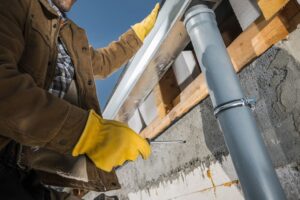
Flashing can begin to loosen or wear down, especially around vents and roof edges. Fasteners may also start to fail as corrosion sets in.
Another common sign is uneven drying. If certain areas of your roof stay damp longer than others, that can point to a bigger issue.
If you’re seeing any of these signs, it’s worth scheduling an inspection so you know exactly what’s going on.
Coastal Roof Maintenance Schedule for Florida Homes
Because your roof is constantly exposed to coastal conditions, staying consistent with maintenance makes a big difference.
Most homes near the coast should be inspected at least once a year. If you’re closer to the water, checking it every six months can help catch issues earlier.
It’s also important to look at your roof after major storms and before hurricane season. That way, you’re not going into storm season with existing weak points.
Keeping a regular schedule is one of the most effective ways to manage long-term wear.
Coastal Roof Maintenance Tips for Florida Homeowners
Once you have a schedule in place, the next step is making sure you’re doing the right things to protect your roof.
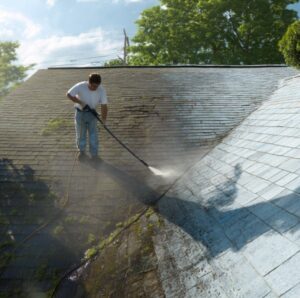
Regular inspections help you catch issues before they grow. Cleaning helps remove salt buildup and debris that can trap moisture.
Keeping gutters clear ensures water drains properly, which is especially important during heavy rain.
Pay close attention to flashing and transition areas where materials meet. These are often the first spots where problems develop.
Simple steps like trimming nearby trees can also improve airflow and help your roof dry faster after storms.
When Coastal Roof Damage Requires More Than Maintenance
Even with proper upkeep, there comes a point where maintenance alone isn’t enough.
If issues keep coming back or materials are starting to break down, it may be time to look at larger repairs or replacement. This is especially true when long-term exposure to salt air and storms has weakened the system.
Storm damage is another factor. Wind and debris can create problems that aren’t always visible right away but still affect how the roof performs.
At that point, it’s less about maintaining the roof and more about fixing the system as a whole.
Can Coastal Roof Damage Be Covered by Insurance?
In some cases, damage caused by storms may be covered by insurance.
The key is understanding the difference between storm damage and long-term wear. Insurance typically covers sudden events, not gradual deterioration from salt air or age.
We help homeowners document damage properly using the same estimating system insurance companies rely on. That keeps everything consistent and easier to navigate.
If you think your roof may have storm-related damage, we can take a look and help you figure out your next step.
Deep Dive: How Different Roofing Materials Handle Sarasota’s Coastal Climate
Because Sarasota’s coastal climate affects your roof differently than inland areas, the material you choose plays a big role in how well your system holds up over time. Salt air, humidity, and storms impact each material in different ways.
Here’s a simple breakdown of how common roofing systems perform in coastal Florida conditions:
| Roofing Material | How It Handles Salt Air | Moisture Resistance | Lifespan in Coastal Areas | Maintenance Needs |
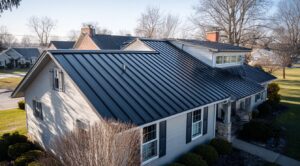
| Metal Roofing | Can resist salt with proper coatings, but exposed fasteners may corrode over time | Excellent water shedding | 30+ years when installed correctly | Moderate, requires periodic checks on fasteners and coatings |
| Tile Roofing | Naturally resistant to salt exposure | Strong surface protection, but underlayment can wear | 30+ years for tile, underlayment may need replacement sooner | Moderate, especially underneath tiles |
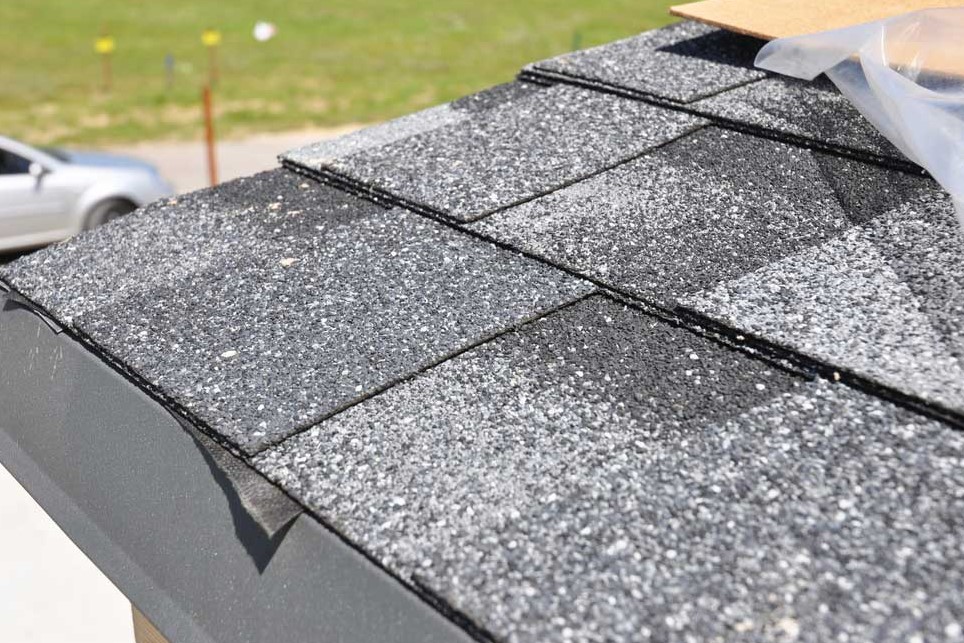
| Asphalt Shingles | More vulnerable to salt air buildup and staining | Good initially, but weakens over time in humidity | 15–20 years, often shorter near the coast | Higher, requires more frequent inspections |
When you look at how Sarasota’s coastal climate affects your roof, the biggest takeaway is this: materials alone don’t determine performance. Installation and maintenance matter just as much.
For example, a properly installed metal roof with the right coating can hold up extremely well near the coast. But if fasteners or flashing are not installed correctly, salt air can start breaking those areas down much sooner.
The same goes for tile systems. They handle coastal exposure well on the surface, but if the underlayment begins to fail, moisture can build up underneath without being obvious right away.
At Leggett Roofing, we install roofing systems built for Florida code and coastal conditions. We focus on proper installation, correct fastening, and making sure every part of the system is designed to handle long-term exposure.
If you’re trying to decide which material makes the most sense for your home, schedule your free inspection and we’ll walk you through your options based on your specific situation.
Coastal Roofing Questions Sarasota Homeowners Ask About Salt Air and Roof Maintenance
If you live near the coast, it’s normal to have questions about how Sarasota’s coastal climate affects your roof and what you should be doing to maintain it. These are some of the most common questions we hear during inspections.
How does salt air affect roofs in Sarasota?
Salt air affects roofs in Sarasota by causing corrosion on metal components and speeding up the breakdown of roofing materials over time. This is especially common around flashing, fasteners, and exposed metal areas.
How often should I inspect my roof near the coast?
You should inspect your roof near the coast at least once a year and after major storms. Coastal conditions cause faster wear, so regular inspections help catch issues early before they turn into larger problems.
What roofing material is best for coastal Florida homes?
The best roofing material for coastal Florida homes depends on your home, but metal and tile systems tend to perform well when installed properly. The key is making sure the system is built for Florida code and coastal exposure.
Can salt air cause roof leaks?
Salt air can cause roof leaks over time by weakening materials and corroding critical components like flashing and fasteners. Once those areas break down, water can begin to enter the system.
Does coastal living reduce roof lifespan?
Coastal living does reduce roof lifespan because of constant exposure to salt, humidity, and storms. Without proper maintenance, roofing systems near the coast tend to wear out faster than inland roofs.
How do I protect my roof from salt air damage?
You can protect your roof from salt air damage by scheduling regular inspections, keeping the roof clean, and addressing small issues early. Proper materials and installation also play a major role in long-term performance.
What is coastal roof maintenance in Florida?
Coastal roof maintenance in Florida is the process of regularly inspecting, cleaning, and repairing your roof to reduce the effects of salt air, moisture, and storm exposure. Staying consistent with maintenance helps extend the life of your roof.
Conclusion: Managing Coastal Conditions Before They Turn Into Bigger Problems
Sarasota’s coastal climate affects your roof every day, not just during storms. Salt air, humidity, and repeated exposure all play a role in how your roof performs over time.
The key is staying ahead of it. Regular inspections, proper maintenance, and choosing the right materials all help reduce the long-term impact.
At Leggett Roofing, we take a straightforward approach. We inspect your roof, show you exactly what we’re seeing, and help you make the right decision without pressure.
Schedule your free inspection today and get clear answers about your roof.