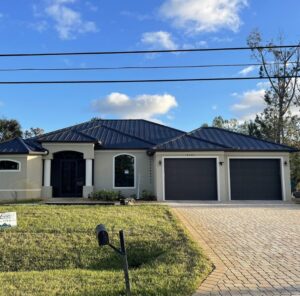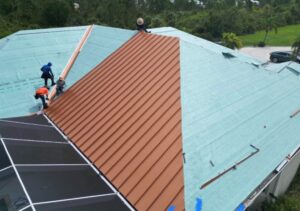

Walk around any neighborhood in North Port, and you’ll see beautiful Mediterranean-style homes finished with Spanish tile roofs. These roofing systems are excellent for our coastal climate because they handle high winds, heavy rain, and intense sun far better than basic asphalt shingles. But when a heavy summer storm rolls through the Gulf Coast, or you spot a water stain on your ceiling, a big question pops up: do you just need a targeted tile roof repair, or is it time to budget for a complete tile roof replacement in North Port?
The quick answer is that if your tiles are structurally sound and the leak is isolated, a professional repair can save you thousands. However, if the hidden waterproofing layers beneath the tiles have reached the end of their lifespan, replacing the system is the only way to protect your home in the long term.
Leggett Roofing is a local North Port roofing company, and we inspect clay and concrete tile roofs across Sarasota, Port Charlotte, Venice, and Fort Myers every single week, helping homeowners make smart, code-compliant choices that protect their families.
Key Takeaways
- The Real Lifespan: While clay and concrete tiles can last 50 to 100 years, the underlayment underneath them usually wears out after 20 to 25 years.
- The 25% Rule: Florida building code dictates when a partial patch is legal and when a full replacement is required.
- Professional Care: Walking on a tile roof is highly dangerous and can easily cause tiles to shatter, turning a small leak into a major headache.
If you suspect your roof has storm damage or a hidden leak, visit our website and schedule your free inspection.
How Tile Roof Systems Work in the Florida Climate
To understand the choice between repair and replacement, you have to look at your roof as a multi-layered system. Many homeowners assume the tiles are what keep the water out of their house. In reality, the tiles act like a shield against the sun, wind, and debris. The real waterproofing happens completely out of sight.
Beneath your clay or concrete tiles sits the underlayment. In our brutal Florida heat and humidity, this underlayment bakes, expands, and contracts every single day. Over time, the underlayment becomes brittle and loses its self-sealing properties around fasteners.
When wind uplift from a storm loosens a few tiles or heavy rains back up into the roof valleys, water sneaks past the tile layer. If your underlayment is old and cracked, you will quickly see a leak inside your living space.
What Homeowners Miss About Tile Roof Decisions
The Underlayment Fails Long Before the Tiles Do
You might look up from your driveway and see a perfectly beautiful roof. But if your home was built 20 to 25 years ago and still has the original roof, the waterproofing barrier beneath those tiles is likely failing. Buying a tile roof repair for a system with completely worn-out underlayment is like putting a small band-aid on a major problem.
Amateurs Frequently Cause More Damage by Walking on Tiles
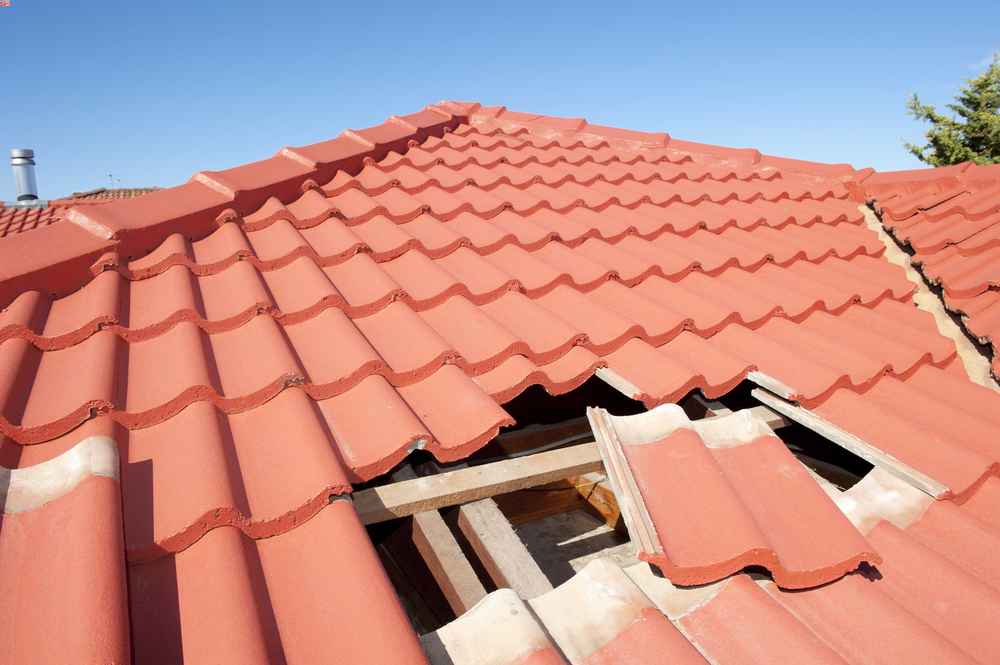
Tile roofs require specialized training to navigate safely. Clay tiles are fragile, and even heavy-duty concrete tiles can snap if stepped on incorrectly. When eager homeowners or untrained handypersons try a quick DIY fix, they often shatter dozens of surrounding tiles, drastically increasing the final repair cost.
Sourcing Matching Tiles Can Be a Challenge
Roofing manufacturers constantly update their profiles, shapes, and color blends. If you have an older roof that requires a clay tile repair in North Port, specialists must perform the repair. Tracking down a perfect physical match is essential for wind-uplift performance and structural interlocking.
Important Factors to Consider Before You Choose
Before deciding on a path forward, a few critical details will guide your choice and protect your home investment.
Age of the Roof System
If your tile roof is under 15 years old, a repair is usually highly effective. If it is pushing 25 years old, a replacement is often the safer long-term choice.
The Florida 25% Code Rule
Under the Florida Building Code, if a roof was permitted before March 1, 2009, and more than 25% of a roof section is repaired, replaced, or recovered within 12 months, the entire roof section generally must be brought into compliance with current code requirements. For roofs built after that date, partial repairs are allowed, but the work must still be permitted and code-compliant.
Insurance Deadlines and Rules
Florida law requires homeowners to file storm-related property claims within one year of the date of loss. Waiting too long can lead to a denial.
Prior Repair History
If you have already paid for three or four spot repairs over the last few years and the roof keeps leaking in new spots, your system is telling you that the underlying material has broken down.
If you want an honest, straightforward assessment of these factors on your roof, our team can provide clear documentation through our free video and drone inspections.
Tile Roof Repair vs. Replacement: Side-by-Side
When weighing your options, comparing how each service impacts your home can clarify the right path forward:
- Tile Roof Repair Suitability: This option is best suited for isolated leaks, a few cracked or slipped tiles, and minor flashing issues around chimneys or vents.
- Tile Roof Replacement Suitability: This option is required for widespread underlayment failure, multiple recurring leaks, or major storm damage crossing local code thresholds.
- Upfront Costs: Repairs offer a lower immediate cost targeted to specific problem areas. At the same time, a full tile roof replacement in North Port requires a higher initial investment but outlasts multiple shingle roofs.
- Lifespan of the Work: A repair extends the current system’s life temporarily but does not reset the clock on old underlayment, whereas a brand-new replacement provides 50 or more years of total home protection.
- Warranty Coverage: Repairs typically cover the specific repair zone, while a new installation includes lifetime product warranties and our 10-year workmanship warranty on new roofs.
The Step-by-Step Plan for North Port Homeowners
If you notice a leak or visible tile damage, follow this practical checklist to keep the process simple and stress-free.
Step 1: Look for Clear Warning Signs from the Ground
Check for slipped or missing tiles, dark stains in your roof valleys, broken tile fragments in your gutters, or water spots on your drywall ceilings.
Step 2: Avoid Temporary Retail “Fixes”
Don’t apply cheap, hardware-store roofing cement to a cracked tile. This traps moisture beneath the tile system, accelerating wood rot in your plywood decking and compromising the ability to perform a clean repair later.
Step 3: Verify the Insurance Reality
If the damage came from a sudden windstorm or a fallen tree limb, it may qualify for insurance claim assistance. A reputable contractor can document the exact storm-related damage your adjuster needs to see.
Step 4: Work with a Certified, Licensed Expert
Always verify that your contractor holds a valid Florida Roofing License (ours is CCC1333761) and has direct experience handling heavy tile systems. Leggett Roofing is family-owned and operated, and we back our new roof installations with a 10-year workmanship warranty.

Tile Roof Repair and Replacement FAQs
Can you replace just the underlayment and reuse the old tiles?
Yes, this process is called a “tile lift.” If your existing clay or concrete tiles are in excellent shape but the underlayment is shot, a contractor can carefully remove the tiles, install a new secondary water barrier, and reinstall the original tiles.
How do I know if I need a concrete or clay tile roof repair in North Port?
Clay tiles are made from natural kiln-baked clay and hold their color forever, while concrete tiles are made from a mixture of cement, sand, and water. Both require distinct fastening methods and tile-matching techniques. A professional inspection will safely identify your exact material.
Will my insurance company pay for a full tile roof replacement in North Port?
If a professional inspection proves that your roof suffered direct wind or impact damage from a covered storm event, your policy may cover the replacement cost minus your deductible. Insurance does not cover normal wear and tear or neglect.
How much wind can a properly installed tile roof handle?
When installed in strict compliance with Florida code, a high-quality tile roof can withstand hurricane-force winds of up to 150 mph, making it one of the toughest roof systems available.
Protect Your Investment with a Clear Plan
A tile roof is a major investment that adds incredible curb appeal and storm security to your North Port home. Do not let contractor trust issues or insurance confusion keep you guessing about the health of your roof.
At Leggett Roofing, our guiding principle is simple: we do what we say we’ll do. We won’t sell you a massive replacement if a targeted repair is all you need, and we won’t patch a dangerous roof that compromises your family’s safety.
Before you make a final decision, get the facts. Schedule a free inspection with our experienced local team today.