Living in Punta Gorda means enjoying the beautiful waters of Charlotte Harbor while remaining realistic about Florida’s storm season. Our coastal community has seen firsthand how quickly tropical systems can shift from minor rainmakers into major weather events. When a severe hurricane or heavy windstorm threatens the Gulf Coast, your roof functions as your property’s absolute first line of defense. It bears the brunt of high wind forces, torrential downpours, and flying debris, keeping your family and your structure secure beneath it.
If your current system is nearing the end of its life or has suffered hidden wear during past storm seasons, upgrading to a highly resilient system is a smart, long-term choice. Modern engineering has completely changed the residential roofing landscape, offering homeowners specialized, durable solutions built specifically to meet strict Florida building codes. Choosing the right storm-ready materials not only grants you incredible peace of mind when a storm approaches, but it can also significantly increase your home investment value and trim your annual insurance expenses.
At Leggett Roofing, we’re a family-owned, local roofing company with extensive storm recovery experience. Our crews understand exactly what it takes to build a roof capable of withstanding severe coastal weather. We serve homeowners across Punta Gorda, Port Charlotte, and the surrounding Gulf Coast communities with honest communication and a simple promise: we do what we say we’ll do.
Key Takeaways
- Structural Shields: Upgrading to storm-resilient materials such as standing-seam metal roofing or concrete tile significantly reduces your risk of wind uplift and impact damage.
- Code and Climate: Modern installations must adhere to the rigorous Florida Building Code standards for high-velocity hurricane zones.
- Financial Incentives: Investing in certified storm-proof roofing features triggers mandatory wind-mitigation credits from your insurance provider.
If you want an honest, professional evaluation of your home’s storm readiness, visit our website and schedule your free inspection.
The Core Features of a Storm-Resilient Roof
To truly understand what makes a roof storm-proof, you have to look past the top layer of shingles or tiles. A hurricane-resistant roof is a highly engineered system in which every component works together to anchor your roof deck to your home’s walls.
The true defense starts with your roof deck fastening pattern and structural hardware. During a storm, wind blowing across a roof creates a vacuum effect that tries to lift the plywood sheets right off the trusses. Utilizing heavy-duty ring-shank nails spaced tightly together stops this peeling action. Additionally, installing a self-adhered secondary water barrier ensures that even if severe winds tear away your top roofing material, your attic space remains bone-dry.
What Homeowners Miss About Storm-Proof Roofing
Standard Shingles Struggling Under Intense Uplift
While basic asphalt shingles are a highly cost-effective and popular option, they are the most vulnerable to wind uplift along the coast. Once a high wind gust catches the edge of a loose shingle tab, it can easily peel back entire sections, exposing your underlayment to torrential rains.
If you choose shingles for your home, upgrading to luxury or architectural lines from top manufacturers like Owens Corning is essential for superior wind ratings.
Structural Weight Can Be a Major Advantage
Some homeowners worry that heavy materials like concrete or clay tiles place too much stress on a house. In reality, that immense weight works to your advantage during a storm.
Heavy tile systems are incredibly difficult for wind gusts to lift or displace, provided your trusses are properly engineered to handle the load.
Internal Air Pressure Causes Roof Blowouts
A roof failure often starts from a broken window or a collapsed garage door. When extreme wind forces its way inside your living space, it creates massive upward internal pressure. This internal air pushes upward against your ceiling at the exact same time the storm wind creates a vacuum on the outside, literally popping unreinforced roofs right off their frames.
Finding the Best Roof for Punta Gorda Homes
When it comes to securing maximum structural protection, three primary materials lead the industry in storm resistance and long-term durability.
Standing Seam Metal Roofing
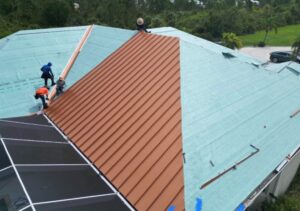
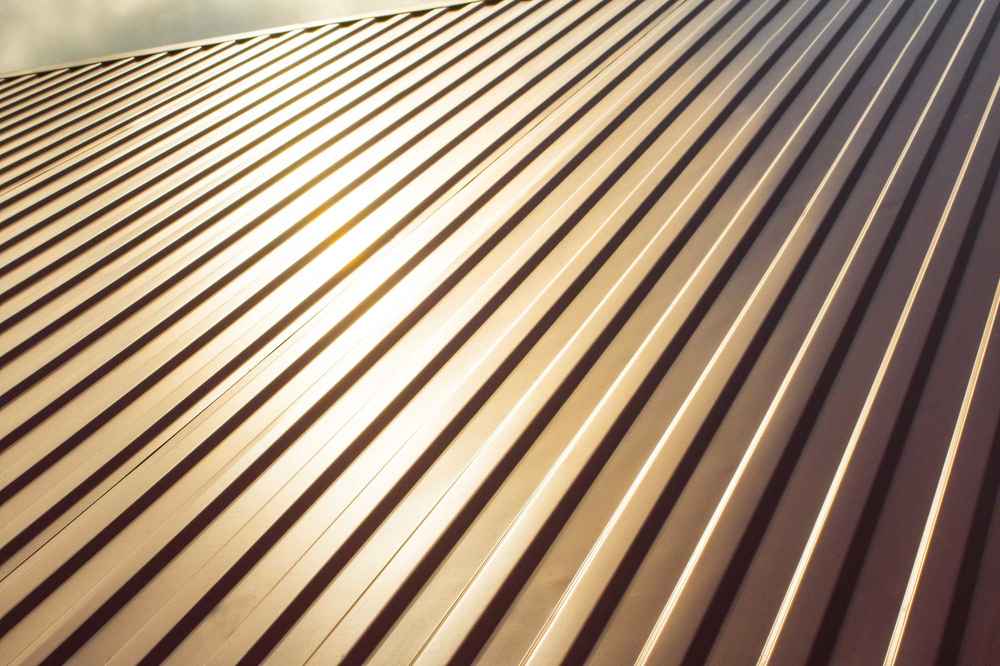
This system represents the absolute gold standard for hurricane protection along the Gulf Coast. Standing seam roofs feature long, continuous vertical metal panels that interlock with hidden fasteners. Because there are no exposed screws or puncture holes on the surface, water cannot sneak inside.
These systems easily handle wind speeds up to 150 mph or more, reflect solar heat to cut your cooling bills, and boast an incredible lifespan of 40 to 70 years.
Concrete and Clay Tile Roofing
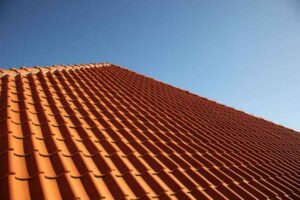
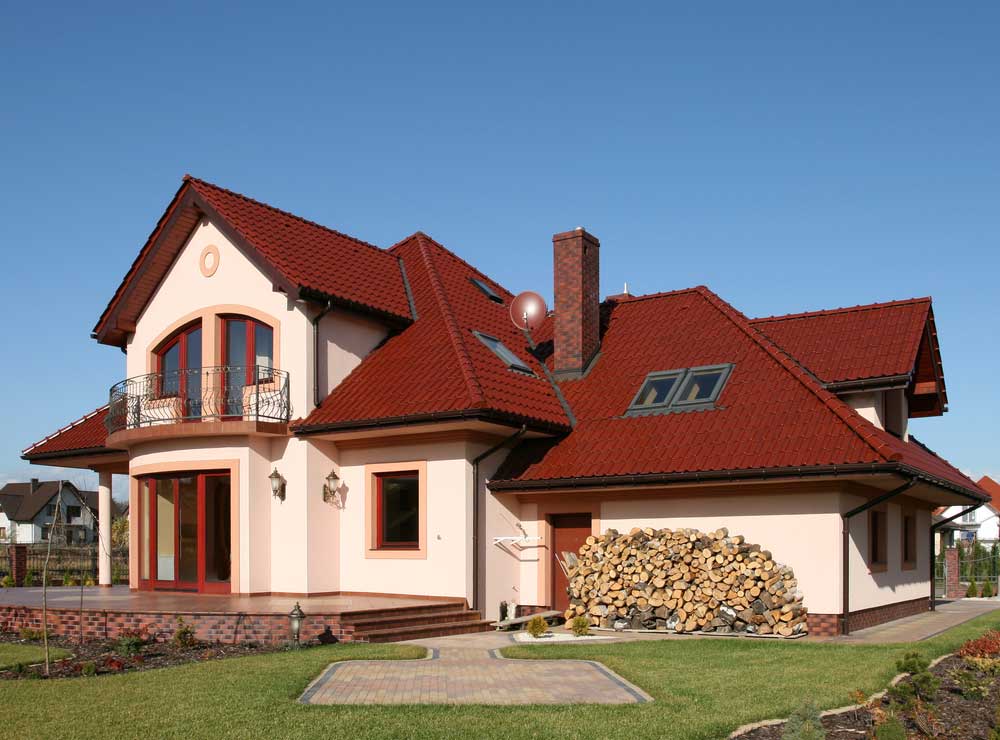
Tile is an iconic choice for traditional Southwest Florida architecture. Beyond its classic curb appeal, tile roofing is inherently fireproof, rot-resistant, and heavy enough to withstand severe windstorms.
Modern concrete tiles are also engineered with interlocking tracks that channel heavy downpours straight into your gutters, protecting the underlayment below.
Stone-Coated Steel Roofing
If you love the elegant look of Mediterranean tile or natural wood shakes but want the lightweight strength of metal, stone-coated steel is a premier choice. These systems utilize tough structural steel panels coated with real stone granules.
They hook together using an interlocking matrix that provides exceptional wind resistance and high impact protection against flying tree branches.
Comparing Material Performance in Coastal Storm Zones
Weighing how different materials hold up against severe coastal weather can help you make a more practical choice for your property:
- Standard Asphalt Shingles: This choice offers lower initial installation costs but carries a higher risk of shingle loss and requires more frequent spot repairs after minor windstorms.
- Standing Seam Aluminum or Steel: This system requires a higher upfront investment but provides maximum wind resistance, a 50-plus year lifespan, and premium insurance discounts.
- Clay and Concrete Tile Systems: This option delivers unmatched historic aesthetics, exceptional structural weight against wind uplift, and excellent long-term durability in high-humidity areas.
- Secondary Waterproof Barriers: No matter which top material you select, adding a self-adhering underlayment protects your decking and keeps your manufacturer’s warranty intact.
The Step-by-Step Plan for Upgrading Your Roof Safety
If you want to transition your home into a storm-resilient fortress before the next active season peaks, use this simple checklist.
Step 1: Request an Advanced Video and Drone Inspection
The safest way to evaluate your current roof’s condition is to keep your feet on the ground. A licensed contractor uses specialized drone equipment to spot slipped tiles, loose shingle seals, and aging flashing lines without risking damage to your roof.
Step 2: Confirm Your Roof-to-Wall Connections
Make sure your contractor inspects your attic space to verify how your trusses link to your exterior walls. Upgrading older toenail fasteners to code-compliant metal hurricane straps anchors your roof securely to your home’s foundation.
Step 3: Choose Impact-Rated Materials
Select materials that carry a Class 4 impact rating. This classification proves that the shingle, metal panel, or tile has been rigorously tested to withstand heavy impacts from flying debris or large hail without cracking or puncturing.
Step 4: Partner with a Local, Certified Contractor
Always work with a company that holds a valid Florida Roofing License (ours is CCC1333761) and carries full general liability insurance. Working with an established local business ensures you receive direct warranty support long after storm season passes.
Hurricane Resistant Roof Punta Gorda FAQs
Can a metal roof be installed over my old shingles to save money?
While Florida building codes allow a second roofing layer in certain residential zones, we strongly advise against it for coastal homes. Tearing off your old roof completely allows our crews to inspect your plywood decking for hidden rot, re-nail the deck to modern code, and apply a clean secondary water barrier directly to the wood.
Does a hurricane-proof roof guarantee my insurance premium will drop?
While no roof is entirely “hurricane-proof,” installing a hurricane-rated metal or tile roof with documented wind mitigation features entitles the property to mandatory premium credits under Florida law. Most homeowners see a significant drop in the wind portion of their home insurance policy.
What is the Clean Yard Guarantee during a roof replacement?
Replacing a roof creates a massive amount of old material and loose nails. Our Clean Yard Guarantee means we use specialized catch-alls and heavy-duty magnetic sweeps to protect your landscaping, lawn, and driveway, leaving your property completely clean when the job is done.
How do concrete tiles compare to clay tiles for storm protection?
Both materials offer exceptional wind and impact resistance. Natural clay tiles hold their color indefinitely because they are kiln-baked, while concrete tiles are slightly more affordable and offer a wider variety of modern shapes and interlocking profiles.
Secure Your Home with a Grounded Local Team
Investing in a high-performing Punta Gorda roofing system is about more than just boosting your home’s curb appeal; it’s about providing absolute peace of mind for your family when the skies turn dark. You shouldn’t have to navigate insurance claim support, local building codes, or roofing choices alone, with a contractor you can’t reach by phone.
At Leggett Roofing, we treat our customers and crews with genuine respect. We don’t rely on flashy sales gimmicks or corporate fine print. We give you a clear, honest assessment of what your home needs and deliver exactly what we promise.
Don’t wait for a major system to enter the Gulf before checking your roof’s strength. Schedule a free inspection with our experienced local team today.